Glucose Accuracy Secrets!

Pardeep Singh
| 14-04-2026
 · News team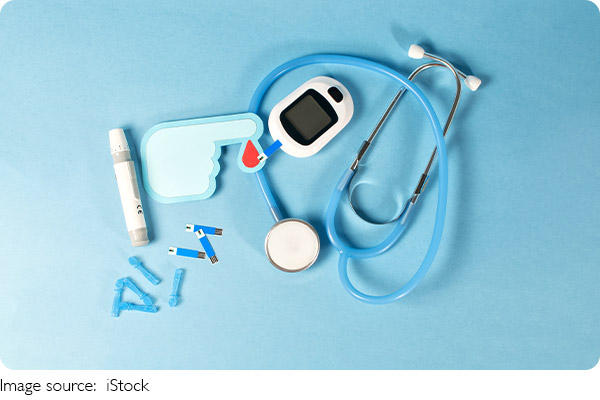
Blood glucose monitoring devices play a crucial role in modern health management by providing rapid insight into metabolic status. These systems are widely used in clinical settings and at home to track fluctuations in glucose readings throughout the day.
Although they are designed for precision, several biological, environmental, and technical factors can influence accuracy. Understanding these variables is essential for interpreting results correctly and ensuring reliable decision-making in routine monitoring.
Technology Behind Glucose Monitoring Systems
Modern glucose monitoring devices typically rely on electrochemical sensing technology. A small sample interacts with an enzyme-coated sensor, producing an electrical signal that is converted into a numerical reading. Continuous glucose monitoring (CGM) systems use similar principles but measure interstitial fluid rather than direct blood samples, providing real-time trend data rather than isolated readings.
The Bank Account Features Most People Never Check — Until They Wish They Had!
The Digital Payment Habit That's Quietly Leaving Your Finances Exposed Without You Knowing
Why Smart Business Strategy Always Starts With a Balance Sheet — Not a Dashboard!
Home Prices Rose Nationally — But Your Local Market May Be Telling a Completely Different Story
Your Budget Is Lying to You — Here's How to Use Real Records to See the Truth About Your Spending
Your Investment Account Is One Password Away From Being Wiped Out — Here's How to Stop It!
While these systems are highly advanced, they are not immune to variation. Sensor calibration, enzymatic reaction stability, and signal processing algorithms all contribute to final output values. Even minor deviations in these components can result in measurable differences in reported readings.
Environmental Conditions and Sensor Performance
Environmental factors significantly affect device performance. Temperature fluctuations can alter enzymatic activity within test sensors, leading to inconsistent readings. Extremely high or low temperatures may slow down chemical reactions or accelerate degradation of sensor materials.
Humidity also plays a role, particularly for tests that rely on dry chemical reagents. Exposure to moisture can compromise their integrity and reduce accuracy. Altitude may influence readings in some devices due to changes in atmospheric pressure affecting electrochemical reactions.
Proper storage conditions are therefore essential. Devices and test materials are typically designed to function within specific environmental ranges, and deviation from these conditions can gradually reduce reliability.
Sample Quality and Biological Variability
The quality of the sample used for measurement is another key factor. Inconsistent sample volume can lead to inaccurate results, especially in traditional test systems. Insufficient sample size may cause incomplete chemical reactions, while excessive sample volume can overwhelm sensor capacity.
Physiological variation also influences readings. Circulating glucose levels naturally fluctuate throughout the day based on metabolic activity, food intake, and hormonal regulation. These fluctuations can create differences between readings taken minutes apart, even under identical conditions.
Peripheral circulation may also affect accuracy in some cases. Reduced blood flow in extremities can delay equilibration between blood and interstitial fluid, particularly in continuous monitoring systems, leading to temporary discrepancies.
Calibration and Device Maintenance
Calibration is a critical component of maintaining accuracy, especially in continuous glucose monitoring systems. Many devices require periodic calibration using reference measurements to align sensor output with actual physiological values. Incorrect or infrequent calibration can lead to cumulative errors over time.
Device maintenance also plays a role. Contaminated sensors or improper handling can all degrade performance. Manufacturing variability, although tightly controlled, may still introduce slight differences between individual test or sensor batches.
Firmware updates and algorithm adjustments in modern devices can also influence accuracy. Manufacturers periodically refine data interpretation models to improve consistency, but these updates may slightly shift baseline readings.
Interference from Substances and Physiological Conditions
Certain substances can interfere with enzymatic reactions used in glucose measurement. Chemical interactions may alter sensor output, leading to artificially elevated or reduced readings depending on the interference mechanism. This is particularly relevant for electrochemical sensors that rely on specific enzymatic pathways.
Physiological conditions that affect fluid balance or metabolic rate may also influence measurement consistency. Variations in hydration status, physical activity levels, and metabolic stress responses can all contribute to short-term fluctuations in readings. These natural variations must be distinguished from device-related inaccuracies.
Differences Between Device Types
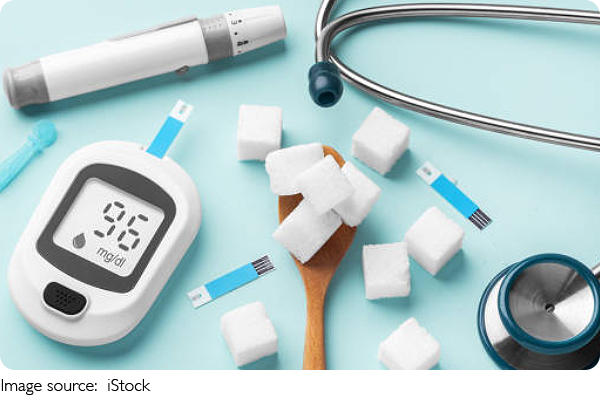
Accuracy can vary between traditional finger-prick meters and continuous glucose monitoring systems. Finger-prick devices measure capillary blood directly and typically provide high point-in-time accuracy when used correctly. Continuous systems, however, measure interstitial fluid and may exhibit a slight delay compared to real-time blood levels.
Each system has its strengths and limitations. While continuous monitors offer valuable trend data and early warning patterns, traditional meters are often considered the reference standard for immediate measurement accuracy. Understanding these differences is essential when interpreting readings from multiple device types.
According to diabetes technology expert David Klonoff, the accuracy of glucose monitoring devices can vary depending on the technology used, how the device is applied, and individual physiological differences.
Blood glucose monitoring accuracy is shaped by a complex combination of technological design, environmental exposure, biological variability, and user practices. Sensor chemistry, calibration quality, and sample handling all contribute to measurement precision, while external conditions such as temperature and humidity can alter device performance. Biological fluctuations further complicate interpretation, requiring careful consideration of context when evaluating results.
Despite these challenges, continuous improvements in sensor engineering and data processing algorithms are steadily enhancing reliability. Understanding the factors that influence accuracy allows for more informed interpretation of readings, supporting better consistency in monitoring practices and improving overall confidence in modern glucose measurement systems.