The Future of Cancer Tech!

Caroll Alvarado
| 21-04-2026
 · News team
The landscape of cancer care is undergoing a profound transformation driven by technological innovation. Traditional approaches such as chemotherapy and radiation therapy remain essential, yet emerging tools are redefining how malignancies are detected, monitored, and treated.
Advances in precision medicine, computational science, and bioengineering are enabling more targeted and effective interventions. These innovations are not only improving outcomes but also reducing unintended side effects, signaling a shift toward highly personalized and adaptive care strategies.
1. Artificial Intelligence in Diagnosis and Treatment Planning
Artificial intelligence (AI) has rapidly become a cornerstone in modern oncology. Machine learning algorithms are capable of analyzing vast datasets, including imaging scans, pathology slides, and genomic information, with remarkable accuracy. These systems assist clinicians in identifying subtle patterns that may be difficult to detect through conventional methods.
Can light help wounds heal faster? Laser tech boosts regeneration in new ways!
Hidden tech at work? Active particles rebuild structure from the inside out!
Explore these exciting outdoor activities to get your kids immersed in nature while learning valuable lessons.
The Stock Market Secret That Could Transform Your Portfolio Forever!
Too much pressure in your day? A few quiet minutes can reset your mind fast! Try it now!
From growth checks to guidance, early care shapes a child’s whole future! Why it matters
AI-driven diagnostic tools can enhance early detection, which remains one of the most critical factors in improving survival rates. In treatment planning, predictive models evaluate how different therapies might affect specific patients, allowing for more precise decision-making. Continuous learning from new data further refines these systems, ensuring that recommendations evolve alongside scientific knowledge.
2. Immunotherapy and Engineered Cell Treatments
Immunotherapy represents a paradigm shift by harnessing the body’s defense system to combat cancer. Techniques such as checkpoint inhibitors and engineered cell therapies, including CAR-T cells, enable immune cells to recognize and eliminate malignant cells more effectively.
These therapies are particularly promising for cases that do not respond well to traditional treatments. By targeting specific molecular markers, immunotherapy minimizes damage to healthy tissue. Ongoing research is focused on improving durability of response and expanding effectiveness across a broader range of cancer types.
3. Liquid Biopsy and Real-Time Monitoring
Liquid biopsy technology offers a minimally invasive method for detecting cancer-related biomarkers in blood samples. By analyzing circulating tumor DNA and other molecular fragments, clinicians can monitor disease progression and treatment response in real time.
This approach allows for earlier detection of recurrence and provides insights into genetic changes that may influence therapy resistance. Unlike traditional tissue biopsies, liquid biopsies can be performed repeatedly, enabling continuous assessment without significant discomfort. This dynamic monitoring supports timely adjustments to treatment strategies.
4. Nanotechnology-Driven Therapeutic Delivery
Nanotechnology is revolutionizing the delivery of therapeutic agents within the body. Nanoparticles can be engineered to transport medications directly to cancer cells, enhancing precision and minimizing systemic exposure. These particles often respond to specific environmental triggers—like pH differences or enzymatic activity—for controlled release at the target site.
Targeted delivery enhances the effectiveness of treatments while minimizing adverse effects. Additionally, some nanoparticles are capable of combining diagnostic and therapeutic functions, a concept known as theranostics. This dual capability allows simultaneous detection and treatment, streamlining clinical workflows.
5. Proton Therapy and Advanced Radiation Techniques
Radiation therapy continues to evolve with the introduction of advanced technologies such as proton therapy. Unlike conventional radiation, proton beams can be precisely controlled to deposit energy directly within the tumor, limiting exposure to surrounding healthy tissue.
This precision reduces complications and allows higher doses to be delivered safely. Innovations in imaging and beam modulation further enhance accuracy, making radiation therapy more effective and adaptable. These advancements are particularly beneficial for tumors located near sensitive structures.
Integration of Data and Personalized Care
A defining feature of future cancer care lies in the integration of diverse data sources. Genomic sequencing, imaging results, and clinical history are increasingly combined to create comprehensive patient profiles. This holistic approach enables truly personalized treatment plans tailored to the unique characteristics of each case.
Digital health platforms and cloud-based systems facilitate collaboration among specialists, ensuring that insights are shared efficiently. As data integration improves, the ability to predict outcomes and optimize therapies will continue to expand.
Harold Varmus, an American physician-scientist and Nobel laureate, helped demonstrate that cancer is a group of diseases driven by genetic changes in our own cells.
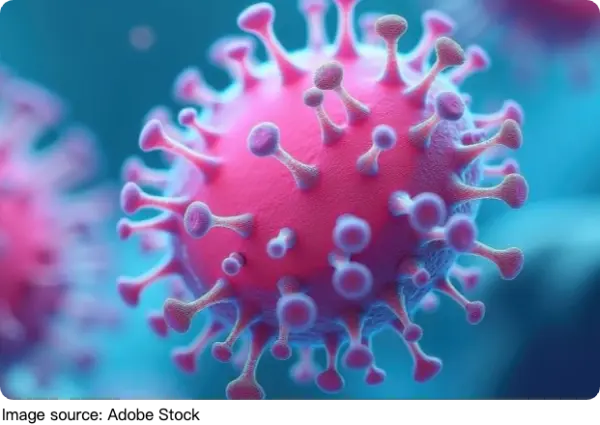
Technological advancements are reshaping cancer care through enhanced detection, targeted therapies, and personalized treatment strategies. Artificial intelligence, immunotherapy, liquid biopsy, nanotechnology, and advanced radiation techniques each contribute unique capabilities that collectively improve outcomes.
The integration of these innovations marks a transition toward more precise and adaptive care. Continued progress in these fields is expected to further refine treatment approaches, offering new possibilities for managing cancer with greater effectiveness and reduced impact on overall health.