When to See the Dentist?

Caroll Alvarado
| 18-04-2026
 · News team
Health conditions affecting teeth and surrounding structures often develop quietly before noticeable discomfort appears. Many serious dental problems begin as subtle biological changes that gradually intensify over time.
Without timely attention, these conditions may progress into more complex situations requiring extensive treatment. Recognizing early warning signals allows faster intervention and helps prevent worsening complications. The following five signs indicate when urgent dental evaluation becomes necessary.
1. Persistent Pain That Becomes Stronger Over Time
Ongoing discomfort that does not subside and gradually increases in intensity is one of the most important warning signals. This type of sensation may indicate deeper tissue involvement, nerve irritation, or advancing decay beneath the surface structure. Unlike short-lived sensitivity triggered by external factors, persistent pain continues even without stimulation.
Too much pressure in your day? A few quiet minutes can reset your mind fast! Try it now!
From growth checks to guidance, early care shapes a child’s whole future! Why it matters
The Financial Discipline Habit That Keeps Smart Businesses Ahead of Every Problem Before It Grows!
Most Borrowers Sign Their Mortgage Documents Too Fast — Here's What They Miss at Closing
Stop Letting Your Assets Collect Dust — Here's How to Turn Them Into a Steady Cash Flow!
The Eternal Wealth Secret That Turns Time Into the Ultimate Financial Advantage!
When discomfort interferes with chewing, speaking, or rest, it often reflects progression rather than temporary irritation. Early clinical assessment is essential to locate the source and prevent further internal damage.
2. Swelling in Gum Areas or Jaw Region
Visible or palpable swelling suggests an active inflammatory response within the surrounding tissues. This reaction often occurs when bacteria accumulate in hard-to-reach spaces or when the body responds to deeper irritation. Swelling that expands over time or becomes tender to pressure should not be ignored. In more advanced cases, the affected area may feel firm or warm, indicating that the condition is intensifying. Prompt evaluation helps limit spread and supports faster resolution before complications develop.
3. Lingering Sensitivity to Temperature Changes
Heightened reaction to hot or cold stimuli that lasts beyond a few seconds can signal protective layers becoming compromised. When sensitivity persists, it may indicate that internal structures are exposed or weakened. This condition often develops gradually and may worsen over time if underlying causes are not addressed.
Persistent sensitivity is different from temporary reactions because it reflects structural vulnerability rather than normal response. Professional examination helps determine whether protective layers have been affected.
4. Noticeable Changes in Color or Surface Texture
Shifts in appearance, such as unusual darkening, pale patches, or uneven surface patterns, can indicate underlying biological changes. These visual differences may develop slowly and remain unnoticed until they become more pronounced. Irregular texture or discoloration often reflects disruption in natural stability within local tissues.
When such changes persist or expand, they may signal early deterioration processes that require timely assessment. Early attention helps prevent progression and supports preservation of structural integrity.
5. Persistent Unpleasant Sensation Despite Regular Cleaning
Ongoing unpleasant taste or odor that does not improve with consistent cleaning routines may indicate deeper imbalance within hard-to-reach areas. This condition often arises from accumulated biological buildup or hidden irregularities that cannot be fully resolved through routine care alone.
When this issue continues over time, it suggests that underlying factors require professional evaluation. Ignoring persistent signs may allow further imbalance, making future management more complex.
Underlying Mechanisms Behind Warning Signs
These five indicators often share common biological origins, including microbial imbalance, structural weakening, and inflammatory activity. Such processes typically develop gradually rather than appearing suddenly. Modern dental science recognizes that these conditions result from interactions between hygiene habits, dietary influences, and individual biological sensitivity. Early identification of changes plays a crucial role in preventing escalation and maintaining long-term stability.
Importance of Timely Professional Evaluation
Clinical assessment remains the most accurate method for identifying the source of persistent symptoms. Diagnostic tools allow detailed evaluation of areas that cannot be visually inspected. Early intervention can significantly reduce treatment complexity and improve recovery outcomes. Preventive care, combined with attention to early warning signals, helps reduce the likelihood of advanced conditions. Timely action ensures that minor issues are addressed before developing into more serious concerns.
Dr. Natasha M. Flake, working at the American Association of Endodontists, explains in a 2025 Time article that while routine dental visits every six months may be sufficient for some individuals, those at greater risk of teeth and mouth health problems may require check-ups more often.
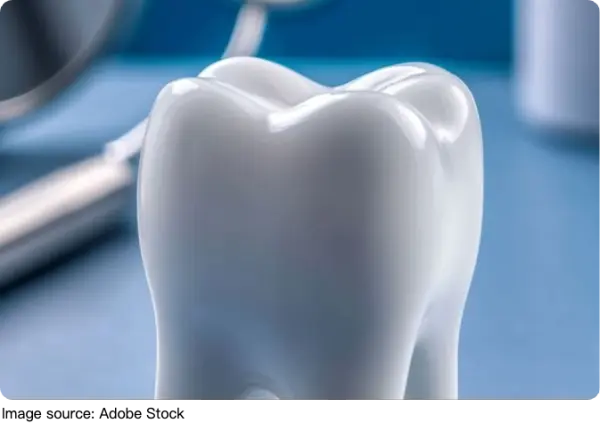
Critical warning signals such as persistent discomfort, swelling, lingering sensitivity, visible changes in structure, and ongoing unpleasant sensations indicate that immediate dental evaluation is needed. These signs often reflect underlying biological activity that may worsen without timely attention. Early recognition and professional assessment play a key role in preventing progression and maintaining long-term stability of surrounding structures.