The Golden Anchor

Amit Sharma
| 22-04-2026
 · News team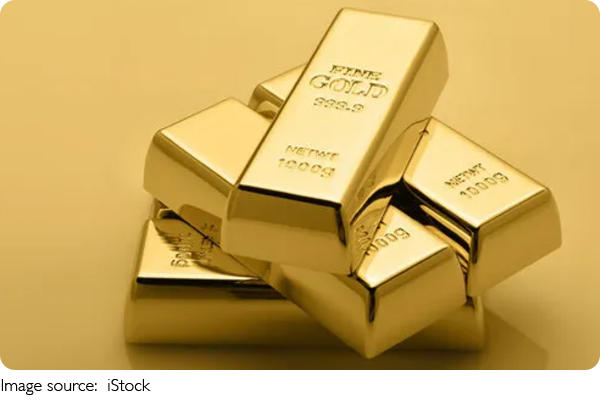
For millennia, the glint of yellow metal has captivated the human imagination, serving as the ultimate "badge of prestige" and a symbol of indestructible value.
In an era where digital currencies fluctuate wildly and paper assets can vanish overnight, gold remains a physical anchor for the cautious investor.
It is a unique blend of a commodity and a currency, a tangible resource that you can hold in a steady hand when the financial world feels like it is spinning out of control. But is gold truly the "safe haven" it is claimed to be, or is it a relic of a bygone era? Understanding the mechanics of the precious metals market is essential for anyone looking to build a resilient financial foundation.
The Invisible Force Controlling Every Financial Decision You Make
Struggling to see far? Vision testing helps catch myopia before it worsens!
More than just weight? Smart scales track body data for better health insights daily!
Why do genes matter daily? They shape risks, treatments, and how your body responds!
Can light help wounds heal faster? Laser tech boosts regeneration in new ways!
Hidden tech at work? Active particles rebuild structure from the inside out!
The Ultimate Hedge Against Inflation
The primary appeal of gold lies in its ability to preserve purchasing power over vast stretches of time. Unlike fiat currencies, which can be printed in unlimited quantities by central banks, the total supply of gold on Earth is finite and difficult to extract.
Why Gold Protects Your Wealth:
1. Purchasing Power Stability: Historically, an ounce of gold can buy roughly the same amount of essential goods today as it could a century ago, whereas paper money has lost over 95% of its value.
2. Inverse Correlation: Gold often moves in the opposite direction of the stock market. When equities crash, investors flee to safety, driving gold prices higher.
3. No Counterparty Risk: Physical gold does not require a bank or a government to fulfill a promise. It is an asset that is nobody else's liability.
4. Liquidity: Gold is recognized globally. Whether you are in London, Tokyo, or Dubai, you can convert gold into local currency within minutes.
Diversification and Risk Management
In a modern portfolio, gold acts as a stabilizer. It isn't necessarily there to make you a millionaire overnight; it is there to ensure you don't go broke when a crisis hits. Financial experts often suggest that gold should make up 5% to 10% of a balanced investment strategy.
The Defensive Barrier
When diplomatic tensions rise or currency devaluations occur, gold serves as a protective shielding. During periods of high inflation—specifically when it exceeds 3%—gold prices have historically shown a strong upward trend. It provides a psychological anchor for investors, offering peace of mind when traditional markets become volatile.Ways to Own the Yellow Metal
Modern investors have several ways to gain exposure to gold, each with its own set of technical considerations.
• Physical Bullion: Buying actual coins or bars. This offers the most security but involves costs for storage and insurance, often ranging from $100 to $500 per year for a professional vault.
• Gold ETFs: Exchange-Traded Funds that track the price of gold. These are easy to trade on a phone app with minimal fees, but you do not own the physical metal.
• Mining Stocks: Investing in the companies that extract the metal. This offers higher potential returns but comes with higher risks related to management and operational costs.
• Digital Gold: Blockchain-based assets backed by physical gold, combining the ease of crypto with the stability of a hard asset.
The Opportunity Costs of Gold
Despite its many benefits, gold is not a "perfect" investment. It is important to look at the data with a steady hand and acknowledge its limitations.
Factors to Consider Before Buying:
1. Lack of Yield: Gold does not pay dividends or interest. Unlike a rental property or a dividend-paying stock, gold just sits there. Its only way to make you money is through price appreciation.
2. Storage and Security: If you keep it at home, you risk theft. If you keep it in a bank, you pay a fee. These "carrying costs" can eat into your total returns over time.
3. Volatility in the Short Term: While gold is stable over decades, it can be extremely volatile over weeks or months. It is not a "get rich quick" scheme.
4. Transaction Costs: Buying and selling physical gold involves a "spread"—the difference between the buy and sell price—which can be anywhere from 2% to 6%.
Conclusion of the Golden Strategy
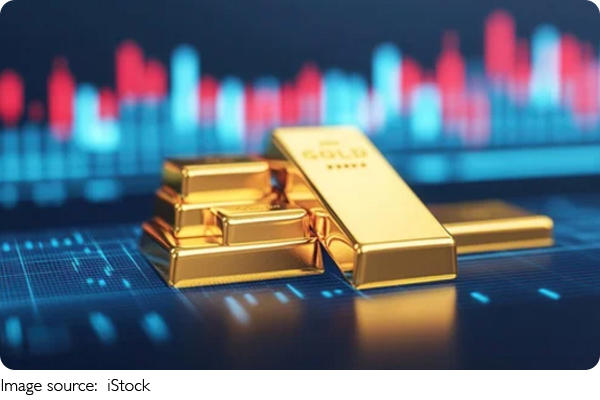
In summary, gold is less of a speculative vehicle and more of a strategic anchor for long-term wealth preservation. It offers a unique blend of history, chemistry, and economics that no other asset can replicate. By adding a portion of gold to your portfolio, you create a defensive shielding against the unpredictability of the global financial system. It earns its "badge of prestige" not through rapid growth, but through its unwavering resilience. Whether you choose to hold physical coins or trade digital certificates, gold ensures that your hard-earned wealth remains protected through the storms of the market. Pack your patience and your long-term vision—the most stable asset in history is ready to secure your future.