Gold’s Bright Future

Pardeep Singh
| 22-04-2026
 · News team
As we navigate through 2026, the financial world remains focused on one asset: gold.
After a strong run over the past few years, many investors are asking if the peak has already been reached or if this is merely the foundation for a much larger surge.
Currently, gold is trading near historic levels, and the sentiment among major institutions remains overwhelmingly positive. While the market is experiencing higher volatility, the underlying structural shifts in the global economy suggest that the appeal of this ancient metal is far from fading. It continues to act as the ultimate anchor in an era of digital uncertainty and shifting alliances.
The Central Bank Buying Spree
One of the most powerful engines behind gold’s current price is the behavior of global central banks. We are witnessing a historic diversification trend where nations are aggressively adjusting their reserves. In 2026, central banks are expected to purchase over 800 tons of gold, viewing it as a “zero-risk” asset that carries no country-specific liability.
How far can genetic tests go in shaping your health future? New insights are changing views!
How does a single gene keep iron levels balanced? Small changes can impact the whole body!
Can ginseng really support your immune system daily? See what makes it stand out now!
Struggling to see far? Vision testing helps catch myopia before it worsens!
More than just weight? Smart scales track body data for better health insights daily!
How does your body stop germs early? Skin and mucosa act as first guards!
This isn’t just a temporary reaction; it is a structural change. As the international financial system becomes more fragmented, gold provides a neutral ground. It is a form of “financial sovereignty” that allows nations to protect their wealth from external pressures or currency collapses. This massive, consistent demand from the world’s most powerful financial institutions creates a “floor” for the price, making a major crash unlikely.
Hedge Against International Instability
The world in 2026 is a complex blend of technological advancement and rising cross-border tensions. Whether it is trade disputes or regional challenges, uncertainty is always present. In this environment, gold serves as the premier safe haven.
Reasons investors are turning to gold include:
• Purchasing Power Protection — As traditional paper currencies face the pressure of persistent inflation, gold maintains its real-world value over decades.
• Portfolio Insurance — When the stock market experiences a sudden drop, gold often moves in the opposite direction, balancing out losses.
• Liquidity in Crisis — Even in the most extreme economic scenarios, gold remains globally recognized and can be converted into any currency instantly.
• No Counterparty Risk — Unlike a bond or a stock, gold does not rely on another person’s promise to pay; its value is intrinsic.
The Impact of Interest Rate Shifts
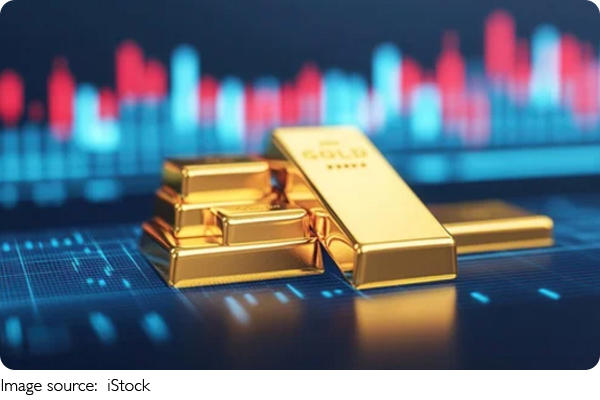
As we move through the middle of 2026, the cycle of interest rates is playing a major role. Many major central banks have begun a gradual descent from their previous highs. This is a significant positive signal for gold. Because gold does not pay interest, it often struggles when lending rates are very high. However, as rates drop, the “opportunity cost” of holding gold disappears. Investors who were sitting on cash are now moving back into the metal to seek better long-term growth.
Furthermore, the physical supply of gold is reaching a bottleneck. High-grade ore is becoming harder to find, and environmental regulations for new mines have reached a point where the cost of production is significantly higher than it was a decade ago. This supply-side constraint, combined with robust demand, is a classic recipe for price appreciation.
How to Position Your Portfolio
It is important to remember that gold should be viewed as a steady instrument of preservation rather than a speculative trade. It is a defensive asset meant to protect what you have built.
Most financial professionals recommend a diversified approach. This might include holding physical bars for long-term security, utilizing Gold ETFs for easy trading, or even looking at mining stocks for higher growth potential. However, avoid the temptation of trying to time the exact top of the market. Instead, focus on building a position gradually to take advantage of price dips.
Jim Rogers, a veteran commodities investor and market strategist, said that gold and other hard assets remain essential components of any long-term wealth preservation strategy, particularly during periods of monetary instability.
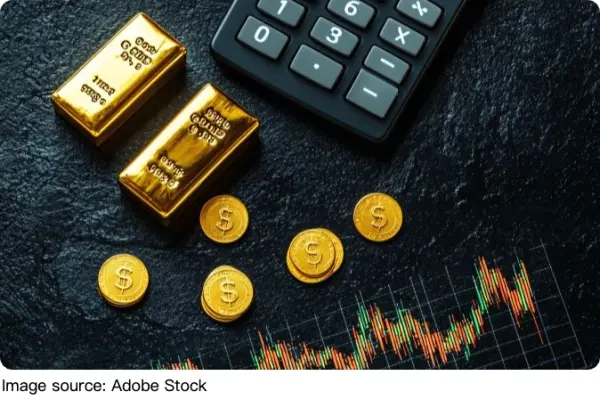
The outlook for gold in 2026 remains exceptionally bright. Driven by record-breaking central bank demand, a cooling interest rate environment, and its timeless role as a shield against instability, the metal is well-positioned to reach new milestones. While the price may feel high compared to the past, it reflects a world that increasingly values tangible, secure assets. Gold is more than just jewelry; it is the physical manifestation of global trust. As long as the future remains unpredictable, the 'King of Metals' will likely retain its crown, acting as a beacon of stability for investors worldwide. Whether you are a veteran strategist or a newcomer, gold remains an essential chapter in the story of modern wealth.